
History of Tea in Kenya
Tea is one of Kenya’s most defining agricultural treasures—an industry admired globally for its quality, consistency, and smallholder-driven success story. As the country’s leading foreign exchange earner and a source of livelihood for millions, tea occupies a central place in Kenya’s economic and cultural identity. But its journey to becoming a world-renowned export began more than a century ago.
Early Beginnings (1903–1920s)
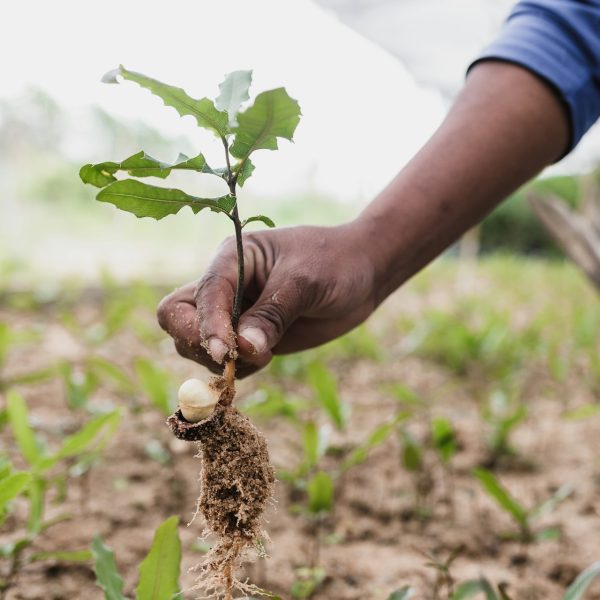
The history of tea in Kenya traces back to 1903, when G.W.L. Caine planted the first tea seedlings in Limuru, using seeds imported from India. These were experimental plots, yet they flourished remarkably well in Kenya’s high-altitude, fertile volcanic soils. This early success laid the foundation for what would become a major commercial crop.

Commercial Expansion and Estate Farming (1920s–1950s)
Following the positive trials, commercial cultivation took off in the 1920s, driven primarily by European settlers and multinational companies such as Brooke Bond. Large estates were established across Central Kenya and the Rift Valley, producing high-quality black tea with minimal need for artificial irrigation or pesticides.
By the mid-20th century, Kenya had developed a reputation for producing some of the world’s finest tea. Research stations, agricultural training, and modern processing factories were established to support the budding industry.
Smallholder Participation: A Turning Point (1950s–1960s)
The introduction of tea farming to African smallholder farmers marked a pivotal shift. In 1954, the Special Crops Development Authority began pilot projects enabling African growers to cultivate tea for the first time.
After independence in 1964, the government created the Kenya Tea Development Authority (KTDA) to empower small-scale farmers through:
Training and extension services
Access to quality seedlings
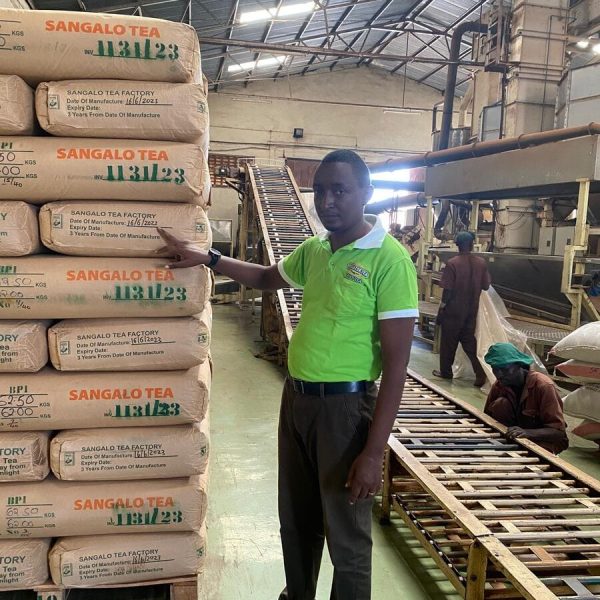
Construction and management of processing factories
Marketing Kenyan tea globally
This inclusive model transformed the industry, turning thousands of rural families into successful tea producers and shaping KTDA into one of the most efficient smallholder management systems in the world.
Innovation and Global Recognition (1970s–1990s)
The tea industry continued to thrive through extensive research and innovation. The Tea Research Foundation of Kenya (TRFK) developed high-yielding and disease-resistant tea clones that significantly boosted productivity. These breakthroughs, combined with expanding smallholder estates and refined CTC processing, propelled Kenya to the global stage.
By the 1990s, Kenya had become a world leader in black tea production and export, supplying major international markets such as Egypt, Pakistan, the United Kingdom, Sudan, and the Middle East.
Kenya Today: A Global Tea Powerhouse
Today, Kenya is:
The world’s largest exporter of black tea
A leading producer of CTC teas with bright color, brisk flavor, and strong aroma
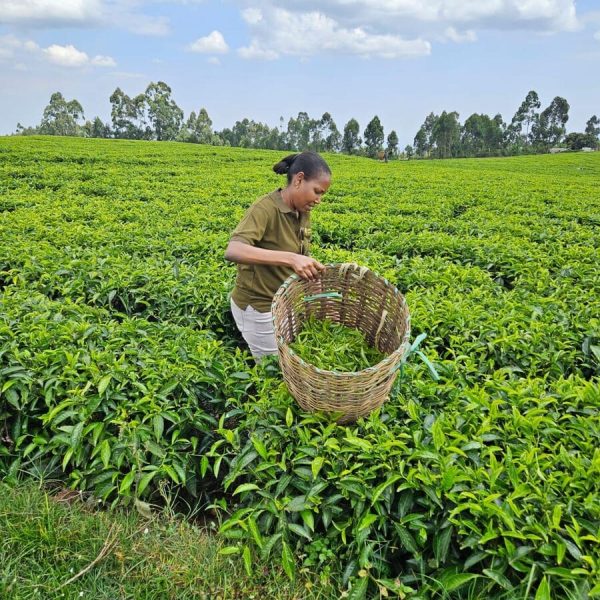
Home to more than 600,000 smallholder farmers who supply over 60% of the country’s tea
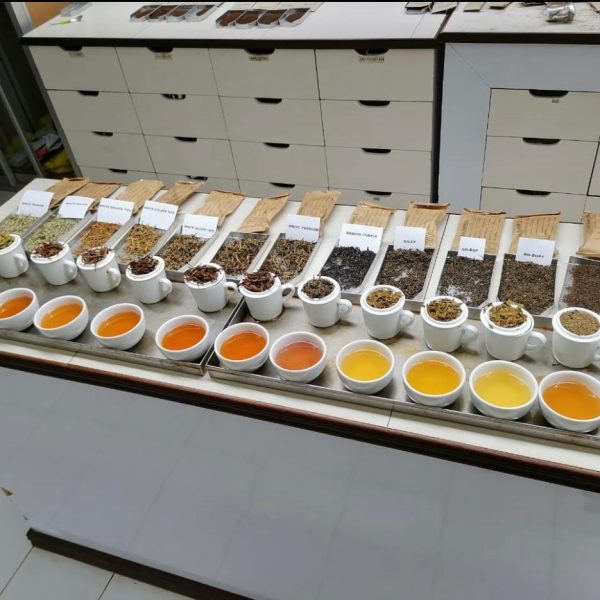
A hub for innovation, producing purple tea, orthodox tea, herbal infusions, and specialty blends
In addition to production, Kenya has embraced tea tourism, offering immersive plantation tours, factory visits, cultural experiences, and scenic countryside retreats in regions like Kericho, Nandi, Limuru, and Nyeri.
Legacy and Impact
The history of tea in Kenya is a remarkable story of vision, collaboration, and resilience. From a small experimental garden in Limuru to a globally dominant industry, Kenyan tea has earned its place among the most respected teas in the world. It continues to shape the nation’s economy, support millions of livelihoods, and uphold a legacy of quality and excellence that is celebrated worldwide.